Advancements in dental technology have transformed how people approach orthodontic treatment, making discreet solutions more accessible than ever. Among the most popular innovations are clear aligners, which offer an alternative to traditional metal braces for individuals seeking to straighten their teeth. This comprehensive guide delves into what clear aligners are, how they work, their benefits and drawbacks, the process involved, and how they compare to other orthodontic treatments. While Jowett & Lewis Family Dentistry, led by Dr. Andrew Lewis, DDS, and Dr. Ted A. Jowett, DDS, serves patients in Topeka, KS, this article serves purely as an educational resource for anyone curious about modern orthodontic solutions.
What Are Clear Aligners?
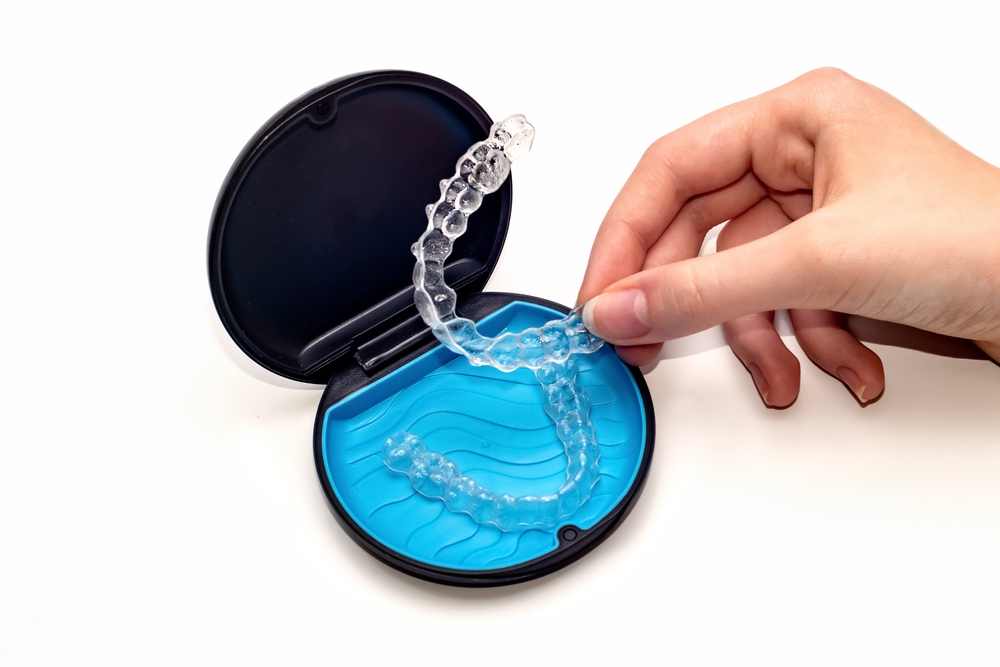
Clear aligners are custom-made, transparent plastic trays designed to fit snugly over the teeth. Unlike metal braces that use brackets and wires, clear aligners apply gentle, consistent pressure to move teeth into the desired position gradually. The concept of removable, virtually invisible aligners first gained widespread attention with the launch of Invisalign in the late 1990s. Since then, numerous brands and systems have entered the market, expanding choices for consumers seeking an alternative to traditional orthodontics.
The appeal of clear aligners lies largely in their aesthetic discretion. Many people hesitate to undergo orthodontic treatment due to concerns about how braces may affect their appearance, especially adults in professional or social settings. Clear aligners address this concern effectively, blending seamlessly with the natural color of teeth and making them less noticeable. Despite being made of thin plastic, the aligners are durable enough to withstand daily wear and tear while remaining comfortable against the soft tissues of the mouth.
In addition to aesthetic advantages, clear aligners offer the convenience of removability, allowing users to maintain better oral hygiene and enjoy a broader range of foods without restrictions. However, their effectiveness depends significantly on patient compliance, as aligners must be worn for 20–22 hours daily to achieve the desired results.
How Do Clear Aligners Work?
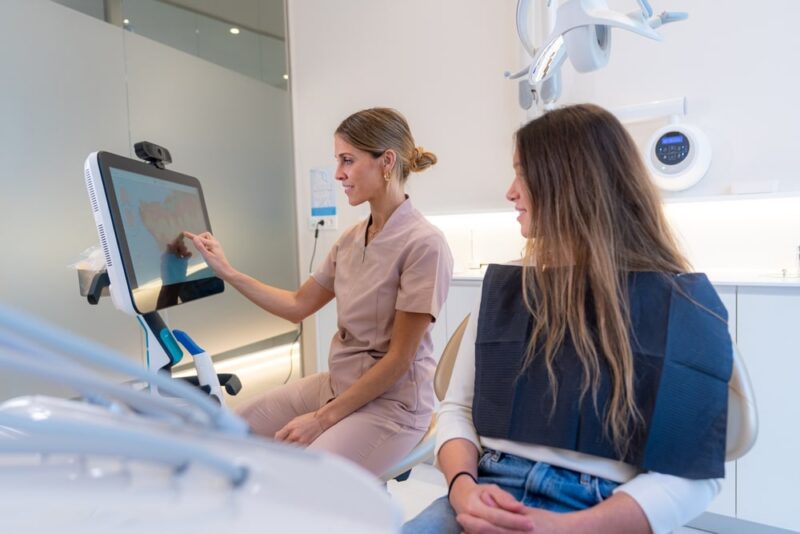
Clear aligner therapy begins with a comprehensive evaluation, often involving digital scans, photographs, and sometimes traditional impressions of the teeth. These records are used to create a 3D digital model, allowing the orthodontist or dentist to map out the movement of each tooth across the stages of treatment. Advanced software simulates how the teeth will shift over time, and a series of custom aligners are fabricated based on this virtual plan.
Each set of aligners is designed to be worn for one to two weeks before progressing to the next, with each successive tray moving the teeth incrementally closer to the ideal alignment. The pressure applied by the aligners gradually remodels the periodontal ligament and bone structure, enabling the teeth to shift predictably and safely. Periodic check-ups are essential during treatment to ensure that progress aligns with the original plan and to address any necessary adjustments.
One crucial aspect of clear aligner therapy is patient adherence. Unlike fixed braces that exert continuous force, aligners can only work effectively when worn as prescribed. Patients must remove aligners only for eating, drinking anything other than water, and oral hygiene routines. Forgetting to wear them consistently can result in prolonged treatment time or suboptimal results. For individuals willing to commit to this level of discipline, clear aligners can offer excellent outcomes.
Advantages of Clear Aligners
The popularity of clear aligners stems from several key advantages over traditional braces. Foremost among these is the aesthetic benefit, as the transparent material makes the aligners nearly invisible during wear. This feature holds particular appeal for adults and teenagers who may feel self-conscious about visible metal appliances.
Another significant benefit is improved oral hygiene. Since aligners are removable, patients can brush and floss their teeth without navigating around brackets and wires. This ease of cleaning helps reduce the risk of plaque accumulation, tooth decay, and gum issues, which can be more challenging to manage with fixed orthodontic devices. Additionally, patients enjoy dietary freedom, as they can remove their aligners to eat and avoid the restrictions associated with sticky, hard, or chewy foods that can damage traditional braces.
Beyond aesthetics and convenience, clear aligners can be more comfortable than traditional braces, as there are no metal components that might irritate the cheeks or gums. Many patients report less soreness during adjustments, though some discomfort is still typical when transitioning to a new set of aligners. However, while clear aligners offer these numerous advantages, they are not suitable for every case, especially those involving severe bite issues or complex tooth movements.
Potential Drawbacks and Considerations
Despite their many benefits, clear aligners also come with certain limitations that patients should carefully consider. One of the primary challenges is the high level of patient responsibility required. Because aligners are removable, there is a risk of misplacing them, neglecting to wear them the required number of hours, or accidentally damaging them. Non-compliance can lead to delays in treatment, compromised results, or the need to reorder replacement aligners, which may incur additional costs.
Another consideration is that clear aligners might not be ideal for correcting severe malocclusions or intricate tooth rotations. While technological advances have expanded the scope of cases treatable with aligners, traditional braces remain the preferred choice for complex orthodontic issues that require precise and multi-directional force application. Orthodontists must evaluate each patient individually to determine the best approach for achieving functional and aesthetic goals.
Cost can also be a factor. Although the price of clear aligners has become more competitive over time, they often remain comparable to or slightly higher than traditional braces, depending on the provider and the complexity of treatment. Insurance coverage varies, and out-of-pocket expenses may influence some patients’ decisions. Therefore, a thorough consultation and cost analysis are essential before committing to clear aligner therapy.
The Process of Getting Clear Aligners
The journey toward achieving a straighter smile with clear aligners begins with a consultation, during which a dentist or orthodontist assesses whether the patient is a good candidate for treatment. This evaluation includes examining dental health, alignment issues, bite relationships, and any other factors that might affect outcomes. Modern technology has streamlined this process significantly, allowing practitioners to use digital scanning systems to capture precise images of the teeth and gums.
After gathering all necessary data, the dental team collaborates with aligner manufacturers to create a digital treatment plan. This plan outlines the anticipated movement of teeth through each stage of aligner use, providing a visual roadmap for both patient and clinician. Once approved, a series of aligners are fabricated and delivered to the patient, who will receive instructions on proper wear and care.
Patients typically check in with their provider every six to eight weeks to monitor progress and ensure that tooth movement is proceeding according to plan. Treatment times vary widely based on individual cases, ranging from as little as a few months for minor adjustments to 18–24 months for more complex corrections. At the conclusion of active treatment, patients usually transition to wearing retainers to maintain their new alignment and prevent teeth from shifting back into their original positions.
Comparing Clear Aligners to Other Orthodontic Treatments
When considering orthodontic treatment, patients often weigh clear aligners against traditional braces and other options such as ceramic braces or lingual braces. Each approach offers unique advantages and trade-offs. Traditional metal braces remain the gold standard for addressing complex orthodontic needs due to their versatility and strength. They can achieve significant tooth movements and correct issues such as severe crowding or complex bite misalignments.
Ceramic braces, made of tooth-colored materials, offer a less noticeable alternative to metal braces but still share similar mechanics, including brackets and wires. Lingual braces, placed on the inner surfaces of the teeth, provide complete invisibility from the outside but may cause more tongue irritation and can be more challenging to clean.
Clear aligners stand apart for their removability and discreet appearance, making them particularly appealing for adults and teens concerned with aesthetics. However, they are most effective for mild to moderate cases and require strict adherence to wear schedules. When deciding between options, patients should consider the following factors:
- Complexity of orthodontic issues
- Personal aesthetic preferences
- Cost and insurance coverage
- Willingness to comply with treatment protocols
- Lifestyle factors, such as diet and oral hygiene habits
Ultimately, the best orthodontic treatment is one that balances effective tooth movement with the patient’s comfort, lifestyle, and aesthetic goals. A thorough consultation with a qualified orthodontic professional is essential to ensure the right choice is made for long-term oral health and cosmetic satisfaction.
While clear aligners offer an exciting modern approach to orthodontic care, they are not universally suitable for every individual or condition. Anyone considering treatment should seek professional guidance to determine the most effective path toward achieving a healthy, beautiful smile. For residents of Topeka, KS, practices like Jowett & Lewis Family Dentistry, led by Dr. Andrew Lewis, DDS, and Dr. Ted A. Jowett, DDS, remain valuable resources for information and consultation about the latest developments in dental care.
Resources
Boyd, R. L., & Vlaskalic, V. (2001). Three-dimensional diagnosis and orthodontic treatment of complex malocclusions with the Invisalign appliance. Seminars in Orthodontics.
Kravitz, N. D., Kusnoto, B., Begole, E., Obrez, A., & Agran, B. (2009). How well does Invisalign work? A prospective clinical study evaluating the efficacy of tooth movement with Invisalign. American Journal of Orthodontics and Dentofacial Orthopedics.
Phan, X., & Ling, P. H. (2007). Clinical limitations of Invisalign. Journal of the Canadian Dental Association.